Cracked earth, brittle stalks, and skies that refuse to open—this is the new normal for millions of farmers across the world. Agriculture, long tied to the rhythm of rain, is now struggling in an era where the rains are late, unreliable, or gone altogether. Drought is no longer a seasonal shock; it is fast becoming the defining feature of our food systems.
When Rain Disappears
Across Africa’s Sahel, crops wither before they can mature. In California, orchards are uprooted because irrigation is too costly. In India, farmers wait longer for the monsoon each year, gambling on short bursts of rain to carry their harvests through.
Drought doesn’t just kill plants—it empties granaries, fuels migration, and stirs conflict. When food becomes scarce, entire regions feel the ripple: higher prices, nutritional insecurity, and social unrest.
If the 20th century’s Green Revolution was about producing more food, the 21st century’s challenge is producing food with less water.
Innovations Born in Drylands
Some of the most promising answers are coming from places where drought is already an everyday reality.
In Israel, decades of water scarcity pushed scientists to pioneer drip irrigation—a method that delivers tiny, targeted amounts of water directly to plant roots. It uses up to 60% less water than flood irrigation and has spread globally, helping farmers from Gujarat to California grow more with less.
In the United Arab Emirates, vast desert farms now rely on solar-powered desalination to turn seawater into irrigation. Combined with hydroponic greenhouses, they grow lettuce and tomatoes in conditions where agriculture once seemed impossible.
In Sub-Saharan Africa, researchers are developing drought-tolerant crop varieties—sorghum that survives heat waves, maize that thrives with little rain. These aren’t futuristic labs—they’re seeds already in the hands of smallholder farmers.
Policy Shifts That Matter
Innovation alone isn’t enough. Policies must adapt to recognize water as the most critical input in agriculture.
Incentives for efficiency: Governments can subsidize drip irrigation systems instead of electricity for groundwater pumps, shifting behavior toward conservation.
Insurance and safety nets: Climate risk insurance can protect small farmers from devastating losses when rains fail.
Research investment: Funding crop science for climate-resilient seeds and soil management ensures that solutions reach the field, not just the lab.
Water governance: Equitable water-sharing agreements across regions and borders can prevent drought from escalating into conflict.
Farming Without Rain
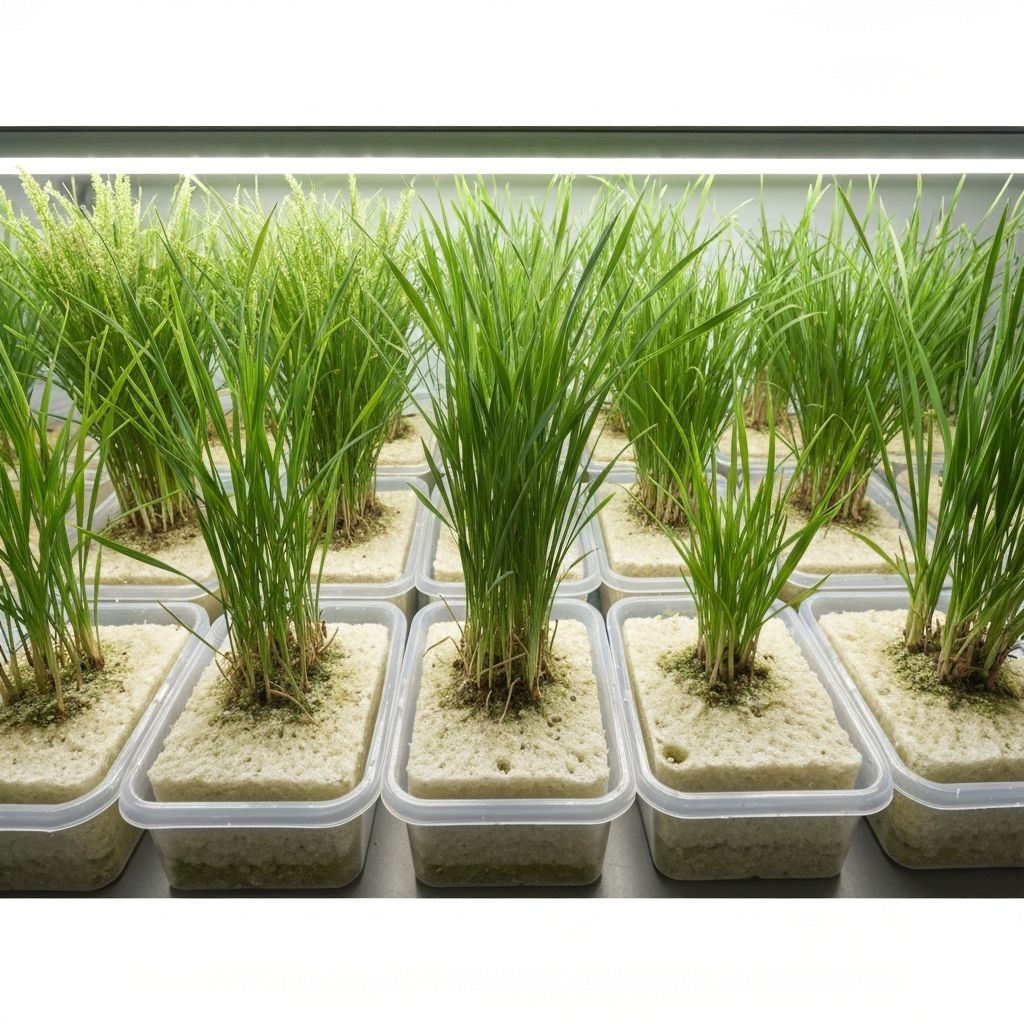
Hydroponics and aeroponics—soil-less methods where plants grow in nutrient solutions or mist—are also showing promise, especially for urban areas. They use up to 90% less water than conventional farming and can be stacked vertically in warehouses, reducing the land footprint. Imagine cities like Chennai or Cape Town, both familiar with “Day Zero” water crises, producing leafy greens in vertical farms that barely sip water compared to fields.
These technologies won’t replace traditional agriculture, but they offer lifelines in places where rain can no longer be trusted.
A Future of Adaptation
The story of drought doesn’t have to be one of despair. It can be a story of reinvention. Farmers are already experimenting, scientists are already innovating, and policymakers are slowly beginning to recognize the urgency.
When I picture cracked fields today, I also picture new possibilities: desert farms lush with hydroponics, seeds bred to thrive with little rain, and irrigation pipes delivering water drop by precious drop.
In the age of drought, food security won’t come from waiting for the skies—it will come from designing systems resilient enough to thrive without them.
— Sneha 🌱