Journey
Jan 10
🌌 From Molecules to Mandates
Why I chose environmental policy after botany. The journey from holding a leaf to chasing policy changes that matter.
7 min read
Read more
A space for deep roots, wide questions, and distant dreams. Where science meets stories and policy meets people.
Why I chose environmental policy after botany. The journey from holding a leaf to chasing policy changes that matter.
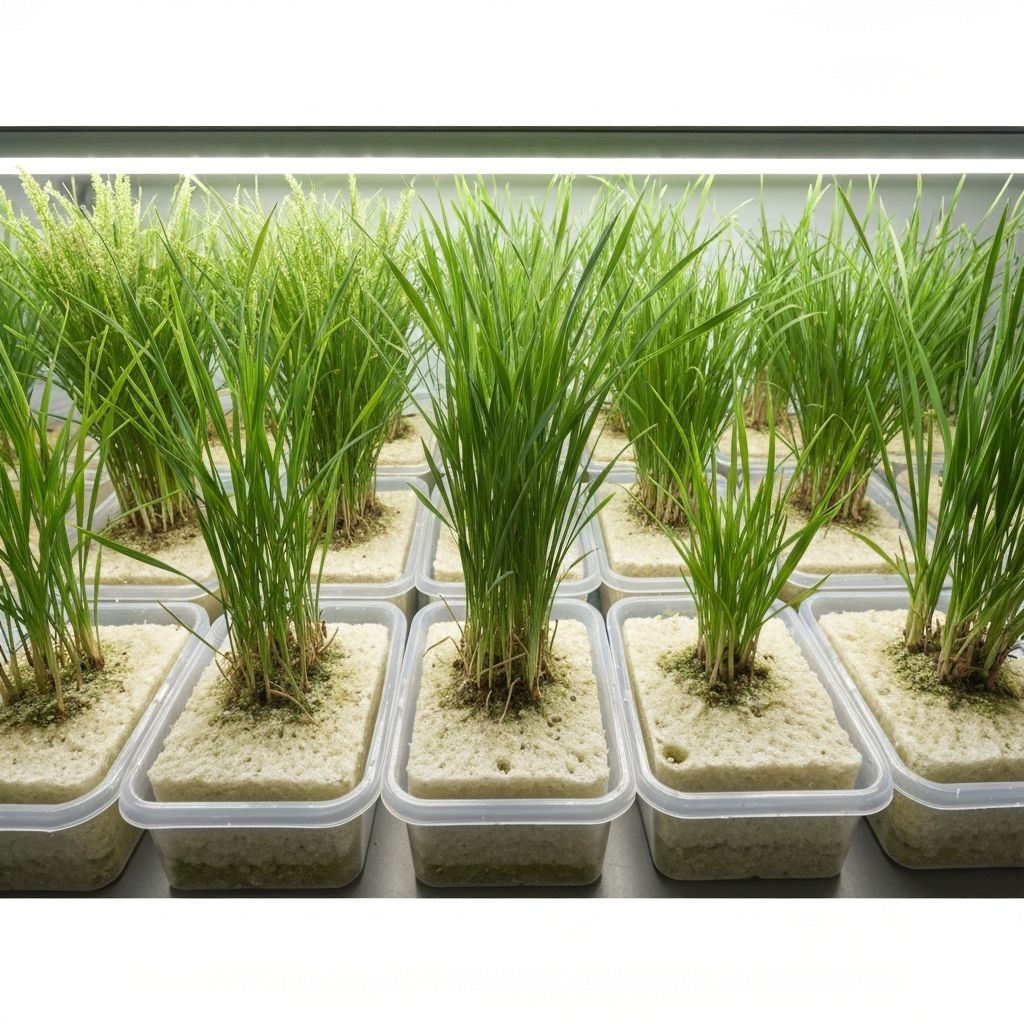
Exploring saffron cultivation through aeroponics as a climate adaptation framework for preserving fragile crops.
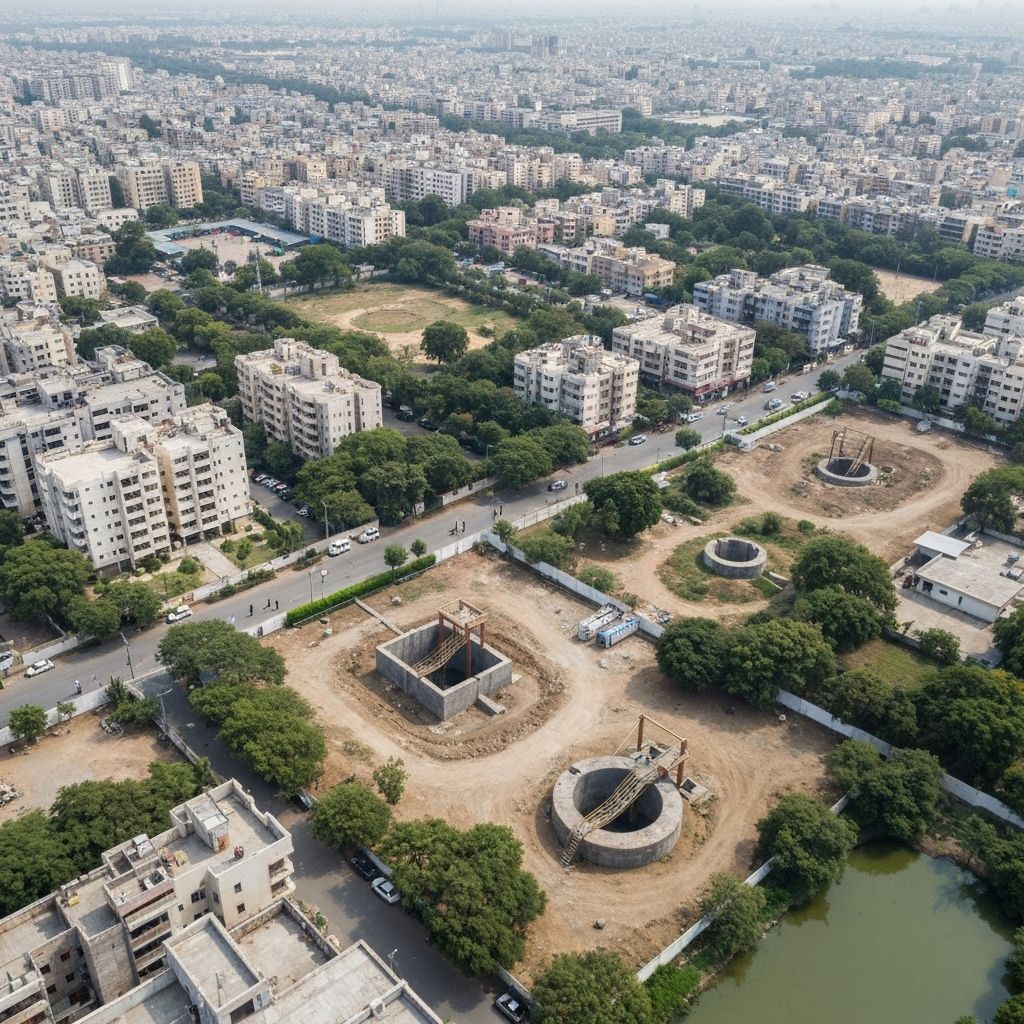
Sometimes the most urgent problems don't announce themselves. They trickle, seep, and vanish underground.
The power of data in climate action. Can the language of genes help us speak to the world's bigger crises?

A love letter, a critique, and a call for something more honest about youth climate action and global frameworks.
What I learned presenting science on a stage. A journey through nerves, narratives, and the quiet power of being seen.
Courses, skills & tools that helped me (and might help you, too). A roadmap for those standing at the beginning.
Infographics that speak for the planet. Because sometimes numbers don't speak until you make them seen.
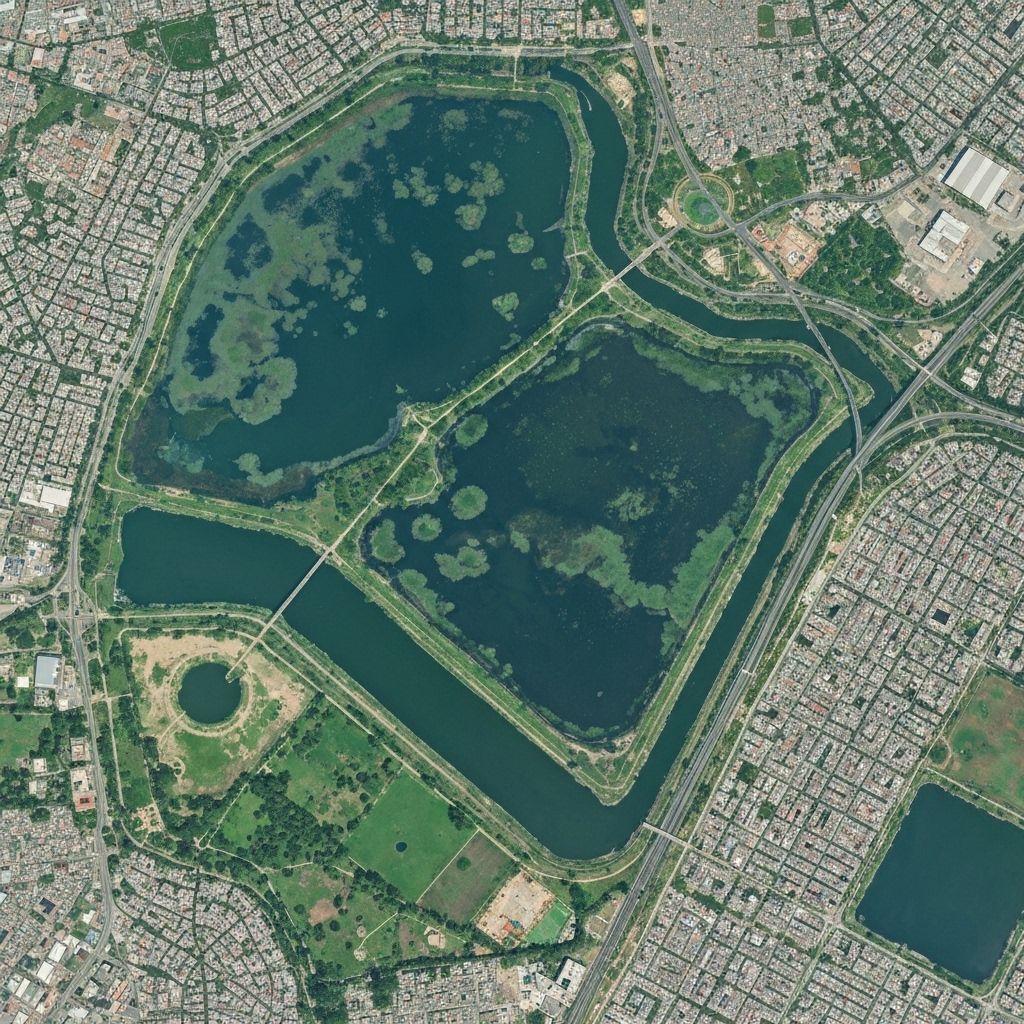
Delhi produces 3,200 million liters of wastewater daily. What if we could turn that waste into wetlands, pollution into public space?
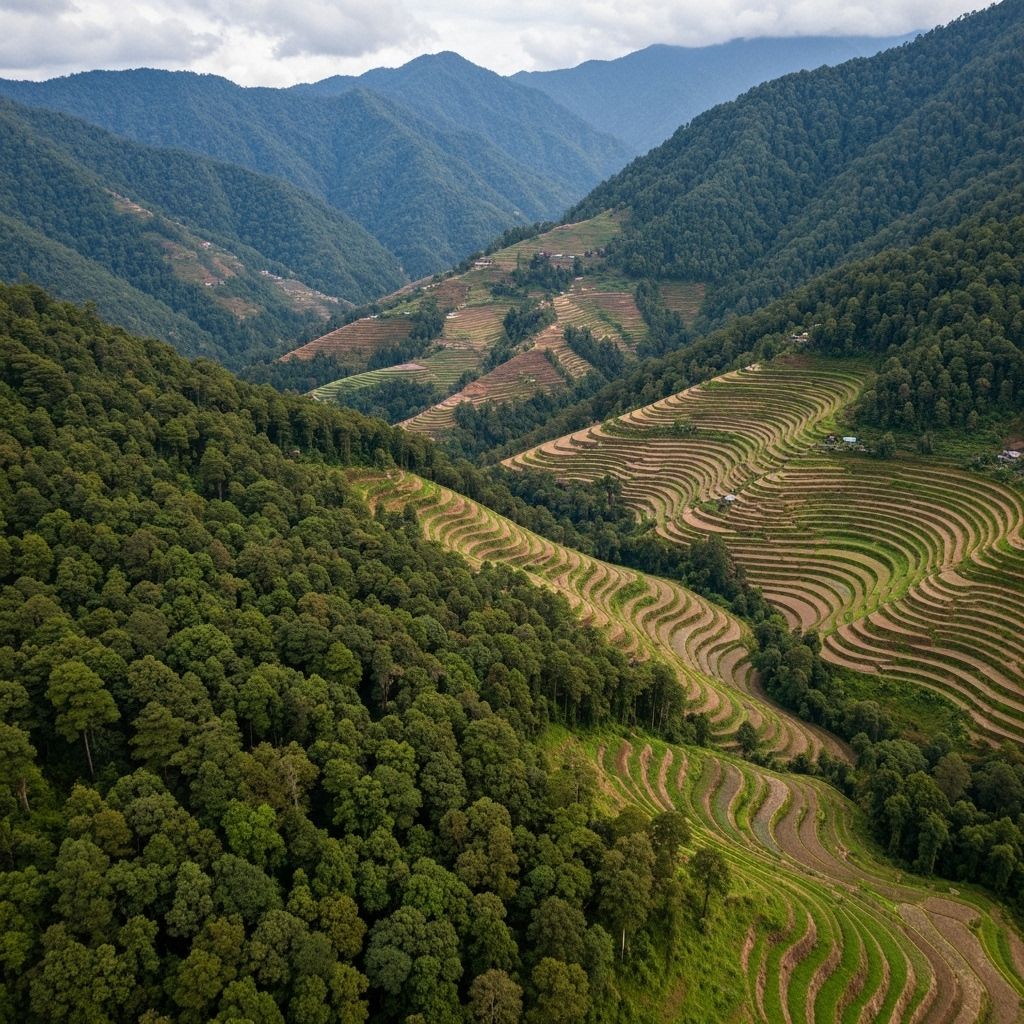
High in the Himalayas, water towers are shrinking. What this means for South Asia's future—and the two billion people downstream.
Courses, skills & tools that helped me (and might help you, too). A roadmap for those standing at the beginning.
Lessons from PG safety analysis. Because cities don't just grow—they forget. And people are left behind in the gaps.
The power of data in climate action. Can the language of genes help us speak to the world's bigger crises?
From Bangladesh's floating gardens to Korea's reed parks—blueprints for Delhi's wetland future, waiting to be adapted.
What if instead of garbage, these waters carried islands of green? Islands that could clean, cool, and heal?
On some beaches, the tide brings plastic bottles instead of shells. But human creativity that made this mess can unmake it too.
I was expecting to see water. Instead, I found dust. The gap between policy and practice is the story of Delhi's wetlands.
In Jakarta, residents joke that their city is sinking faster than the sea is rising. Who gets to stay afloat in our changing world?
A love letter, a critique, and a call for something more honest about youth climate action and global frameworks.
Courses, skills & tools that helped me (and might help you, too). A roadmap for those standing at the beginning.
High in the Himalayas, water towers are shrinking. What this means for South Asia's future—and the two billion people downstream.
Exploring saffron cultivation through aeroponics as a climate adaptation framework for preserving fragile crops.
Because sometimes the most radical thing you can do is stop talking—and start truly hearing.
Squinting at 30×30m pixels on a screen, watching Delhi's blues shrink year by year. Maps as memory, pixels as prophecy.
Why I chose environmental policy after botany. The journey from holding a leaf to chasing policy changes that matter.
The power of data in climate action. Can the language of genes help us speak to the world's bigger crises?
High in the Himalayas, water towers are shrinking. What this means for South Asia's future—and the two billion people downstream.
In Jakarta, residents joke that their city is sinking faster than the sea is rising. Who gets to stay afloat in our changing world?
Because sometimes the most radical thing you can do is stop talking—and start truly hearing.
Lessons from PG safety analysis. Because cities don't just grow—they forget. And people are left behind in the gaps.
By noon, the pavement shimmers. Walls radiate heat. For millions in dense cities, heatwaves are no longer discomforts—they're lethal.
I was expecting to see water. Instead, I found dust. The gap between policy and practice is the story of Delhi's wetlands.
Mapping how Delhi's land-use choices have undermined ecological security. The story of greens and browns turning grey.
Lessons from my internship at the API Lab. The centrifuge was the first sound I learned to recognize—and it taught me about resilience.
Growing food without soil. It began in a training room filled with PVC pipes and bubbling tanks—and ended with a quiet rebellion.
Most of us have a drawer of old phones and chargers. Multiply that by billions—that's 50 million tons of toxic mountains yearly.
What if instead of garbage, these waters carried islands of green? Islands that could clean, cool, and heal?
What I learned presenting science on a stage. A journey through nerves, narratives, and the quiet power of being seen.
From Bangladesh's floating gardens to Korea's reed parks—blueprints for Delhi's wetland future, waiting to be adapted.
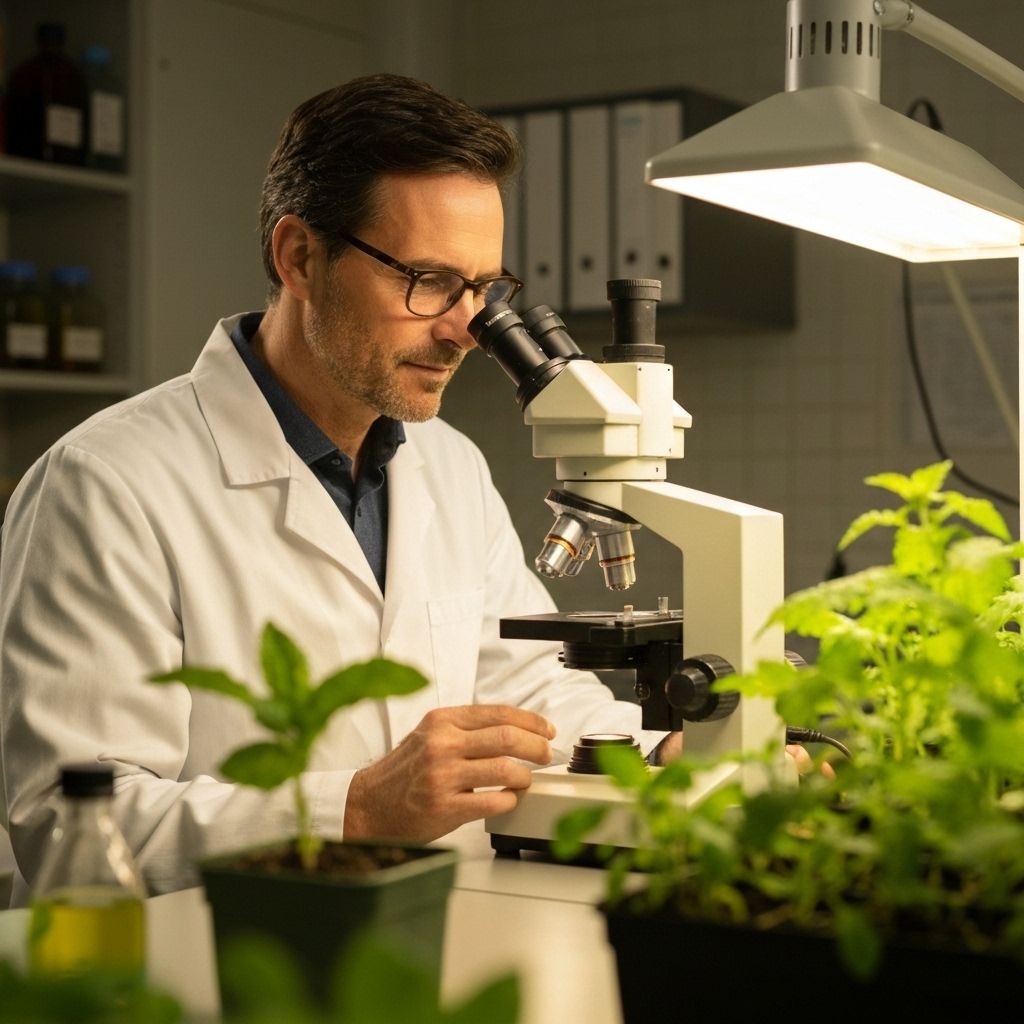
In the lab, I saw them as dots under a microscope. But these microbes might reshape sustainable agriculture as we know it.
Courses, skills & tools that helped me (and might help you, too). A roadmap for those standing at the beginning.
Cracked earth, brittle stalks, skies that refuse to open. Agriculture is struggling in an era where rain is unreliable or gone.
Lessons from my internship at the API Lab. The centrifuge was the first sound I learned to recognize—and it taught me about resilience.
Sometimes the most urgent problems don't announce themselves. They trickle, seep, and vanish underground.
The power of data in climate action. Can the language of genes help us speak to the world's bigger crises?
What if instead of garbage, these waters carried islands of green? Islands that could clean, cool, and heal?
In Jakarta, residents joke that their city is sinking faster than the sea is rising. Who gets to stay afloat in our changing world?
By noon, the pavement shimmers. Walls radiate heat. For millions in dense cities, heatwaves are no longer discomforts—they're lethal.
Mapping how Delhi's land-use choices have undermined ecological security. The story of greens and browns turning grey.
Why I chose environmental policy after botany. The journey from holding a leaf to chasing policy changes that matter.
Courses, skills & tools that helped me (and might help you, too). A roadmap for those standing at the beginning.
What if instead of garbage, these waters carried islands of green? Islands that could clean, cool, and heal?
From Bangladesh's floating gardens to Korea's reed parks—blueprints for Delhi's wetland future, waiting to be adapted.
I was expecting to see water. Instead, I found dust. The gap between policy and practice is the story of Delhi's wetlands.
Infographics that speak for the planet. Because sometimes numbers don't speak until you make them seen.
The power of data in climate action. Can the language of genes help us speak to the world's bigger crises?
Squinting at 30×30m pixels on a screen, watching Delhi's blues shrink year by year. Maps as memory, pixels as prophecy.
Because sometimes the most radical thing you can do is stop talking—and start truly hearing.
Exploring saffron cultivation through aeroponics as a climate adaptation framework for preserving fragile crops.
High in the Himalayas, water towers are shrinking. What this means for South Asia's future—and the two billion people downstream.
Delhi produces 3,200 million liters of wastewater daily. What if we could turn that waste into wetlands, pollution into public space?
The power of data in climate action. Can the language of genes help us speak to the world's bigger crises?
A love letter, a critique, and a call for something more honest about youth climate action and global frameworks.
Sometimes the most urgent problems don't announce themselves. They trickle, seep, and vanish underground.
Squinting at 30×30m pixels on a screen, watching Delhi's blues shrink year by year. Maps as memory, pixels as prophecy.
Sometimes the most urgent problems don't announce themselves. They trickle, seep, and vanish underground.
From Bangladesh's floating gardens to Korea's reed parks—blueprints for Delhi's wetland future, waiting to be adapted.
On some beaches, the tide brings plastic bottles instead of shells. But human creativity that made this mess can unmake it too.
In Jakarta, residents joke that their city is sinking faster than the sea is rising. Who gets to stay afloat in our changing world?
Lessons from PG safety analysis. Because cities don't just grow—they forget. And people are left behind in the gaps.
Exploring saffron cultivation through aeroponics as a climate adaptation framework for preserving fragile crops.
The power of data in climate action. Can the language of genes help us speak to the world's bigger crises?
What if instead of garbage, these waters carried islands of green? Islands that could clean, cool, and heal?
What I learned presenting science on a stage. A journey through nerves, narratives, and the quiet power of being seen.
Delhi produces 3,200 million liters of wastewater daily. What if we could turn that waste into wetlands, pollution into public space?
Lessons from PG safety analysis. Because cities don't just grow—they forget. And people are left behind in the gaps.
Infographics that speak for the planet. Because sometimes numbers don't speak until you make them seen.
Exploring saffron cultivation through aeroponics as a climate adaptation framework for preserving fragile crops.
In the lab, I saw them as dots under a microscope. But these microbes might reshape sustainable agriculture as we know it.
Sometimes the most urgent problems don't announce themselves. They trickle, seep, and vanish underground.