It began in a training room filled with PVC pipes, bubbling tanks, and curious faces. The instructor slipped a lettuce seedling into a net pot, its roots dangling in the air. “This is the future of farming,” he said.
At first, I wasn’t convinced. Farming, in my mind, was soil, seasons, and monsoons. But as we learned to assemble channels, mix nutrient solutions, and watch seedlings float into green abundance, I realized this was not an experiment in technology. It was a lesson in survival.
Skills That Feed Cities
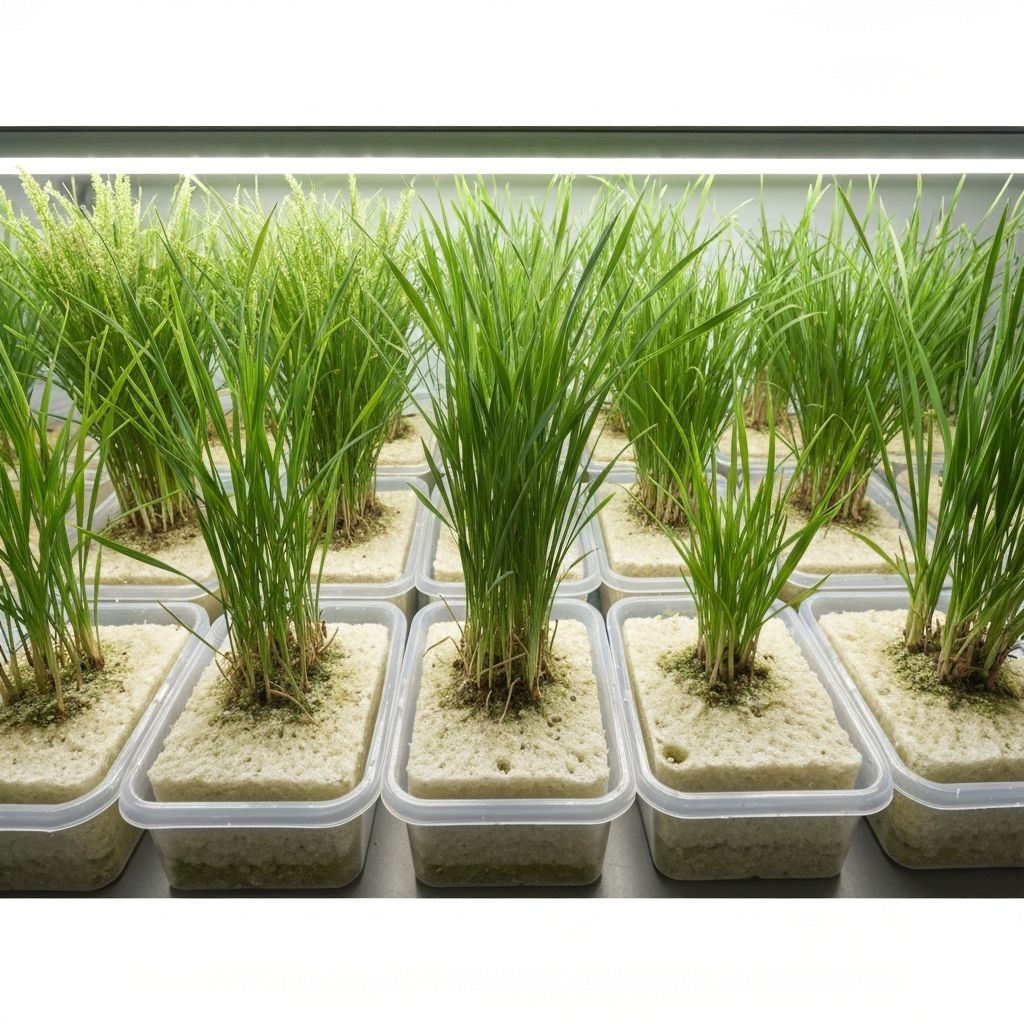
The hydroponics and aeroponics program wasn’t just technical training—it was empowerment. Anyone could learn it: a student, a homemaker, an unemployed youth. Within weeks, we were germinating seeds in sponges, transplanting them into channels, and watching roots thrive in nutrient mist.
For some, it meant fresh spinach at home. For others, it meant the possibility of a livelihood. Farming, suddenly, belonged to people without land.
Why It Matters Now
Delhi is a city choking on its own hunger—vegetables traveling kilometers before reaching markets, water tables sinking, pesticide residues rising. Hydroponics offers a quiet rebellion:
90% less water than soil farming.
No pesticides, no soil-borne diseases.
Crops on rooftops and balconies, not just in distant fields.
It asks us to rethink where food can be grown, and who gets to grow it.
From Training to Practice
When I set up my own small system at home, the sound of circulating water became a daily reassurance. Fresh leaves unfurled in weeks, crisp and clean. But beyond the novelty was a question: how can this move from private balconies to public good?
Hydroponics cannot remain a luxury. Its promise lies in community rooftops, neighborhood cooperatives, and women’s groups running local farms. It lies in policy that treats training, equipment, and nutrient inputs as investments in food security—not hobbies.
Growing Futures in Water and Air
What struck me most was the diversity of people the program drew in—students, farmers’ children, homemakers. Each saw hydroponics not as science fiction, but as opportunity. It created a new kind of farmer: urban, skilled, sustainable.
And that, perhaps, is the real story. Hydroponics is not just about growing lettuce in pipes. It is about growing futures—one skill, one rooftop, one community at a time.
— Sneha 🌿